The skincare industry has spent decades selling you peptides — in the form of overpriced, synthetic-loaded serums — without ever explaining what they actually are or why the source matters. Time to fix that.
This is your no-fluff guide to copper peptides for skin. For the full picture on how they fit into a real, ancestral-first routine, head to our Copper Peptides for Skin pillar hub — it's the starting point if you're new here.
What Are Copper Peptides, Exactly? (The Direct Answer)
Copper peptides are naturally occurring compounds — tiny chains of amino acids bonded to a copper ion. They are found naturally in the body, which means your body already recognizes them. That's not a coincidence. That's biology.
Copper peptides have been researched since the 1970s. They aren't some lab-invented molecule cooked up in a vat. They're compounds that exist in nature, and cosmetic formulators have spent decades figuring out how to put them to work on the surface of your skin.
When you apply a copper peptide serum, you're putting something your body recognizes directly onto your skin. That's the opposite of slathering on a petroleum-derived, synthetic-fragrance-loaded cream and hoping for the best.
Why Does the Skincare Industry Make This So Confusing?
Because confusion is profitable. THE SKINCARE INDUSTRY IS LYING TO YOU — not always with false claims, but with deliberate complexity. Bury the real science in jargon. Charge a premium for ingredients wrapped in filler. Keep you dependent on the next launch.
Here's what they don't want you to know: the ingredient doing the heavy lifting in those $200 serums is often a well-studied, relatively simple compound. Copper peptides. That's it.
The complexity is manufactured. The ingredient itself? Elegant. Ancient, even — copper has been used in human wellness practices for thousands of years. What our ancestors understood about minerals and skin, modern synthetic skincare spent a century trying to replace with cheaper substitutes.
What Do Copper Peptides Do for the Appearance of Skin?
Let's be precise here, because this matters — and because the industry loves to overstate it.
Copper peptides are a cosmetic active. That means we're talking about what happens at the surface level — how your skin looks and feels. Copper peptides are well studied and widely associated with the look of firmer, smoother-looking skin over time. Here's what that actually means in practice:
Skin That Looks Smoother and More Even
Customers who use copper peptide serums consistently report that their skin looks noticeably smoother — texture feels more refined, pores look tighter, and the overall surface appears more even. That's cosmetic. That's appearance. That's what we're talking about.
A More Hydrated, Nourished Feel
Copper peptides work beautifully alongside moisturizing ingredients. Skin that's better conditioned at the surface feels more supple. Not a drug claim — just skin that feels like it's being fed something real.
The Look of Fine Lines — Softened
Copper peptides are associated with the improved appearance of fine lines. Skin looks less creased, more plump-looking at the surface. Customer-reported results point in one consistent direction: skin that looks and feels younger. Not because we're rewriting your biology — because the surface is nourished, conditioned, and responding to ingredients it recognizes.
A Calmer, More Comfortable Feeling
Many customers with dry, sensitive-feeling skin report that copper peptides — especially when delivered in a rich, skin-compatible base — help skin feel calmer and more comfortable. Less tight. Less irritated-looking. More at ease.
The Science Without the Spin
Copper peptides have been studied in published research since the 1970s. They're among the most well-documented cosmetic actives in the field — not a trend, not a fad. A category of ingredients with decades of attention behind them.
What researchers have focused on: how copper peptides interact with skin at a surface level, their behavior as cosmetic actives, and their compatibility with other ingredients. They've been examined in the context of skin appearance, texture, and the look of aging skin.
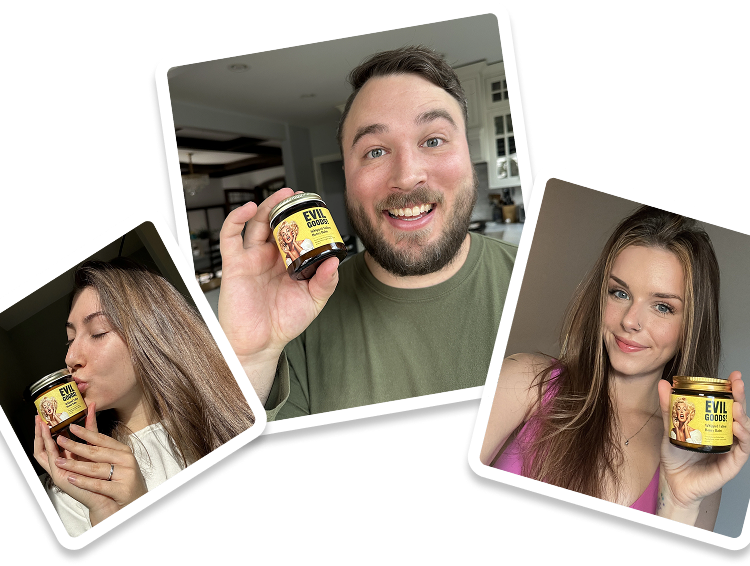
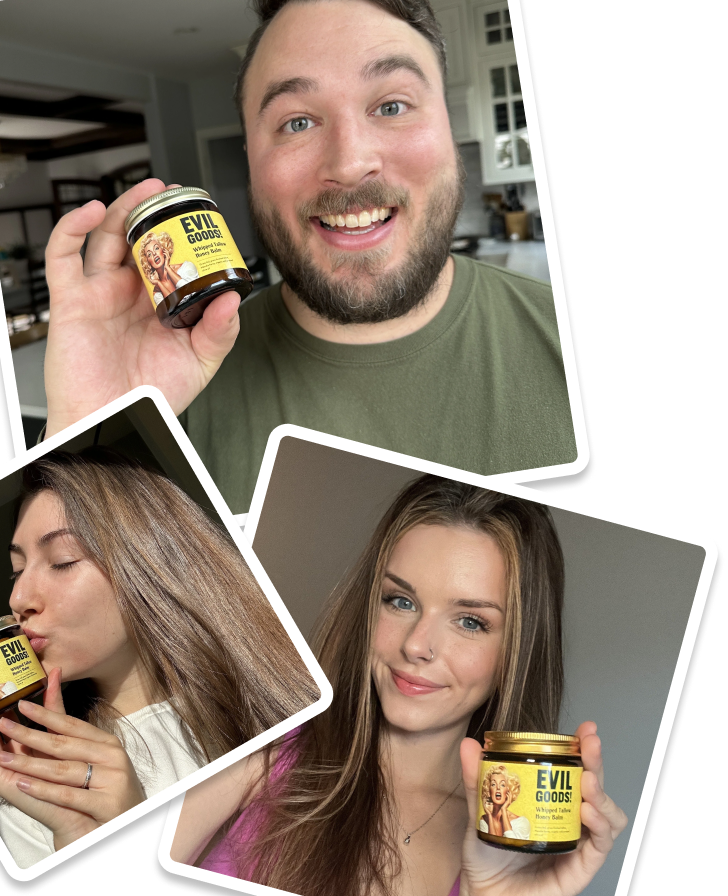
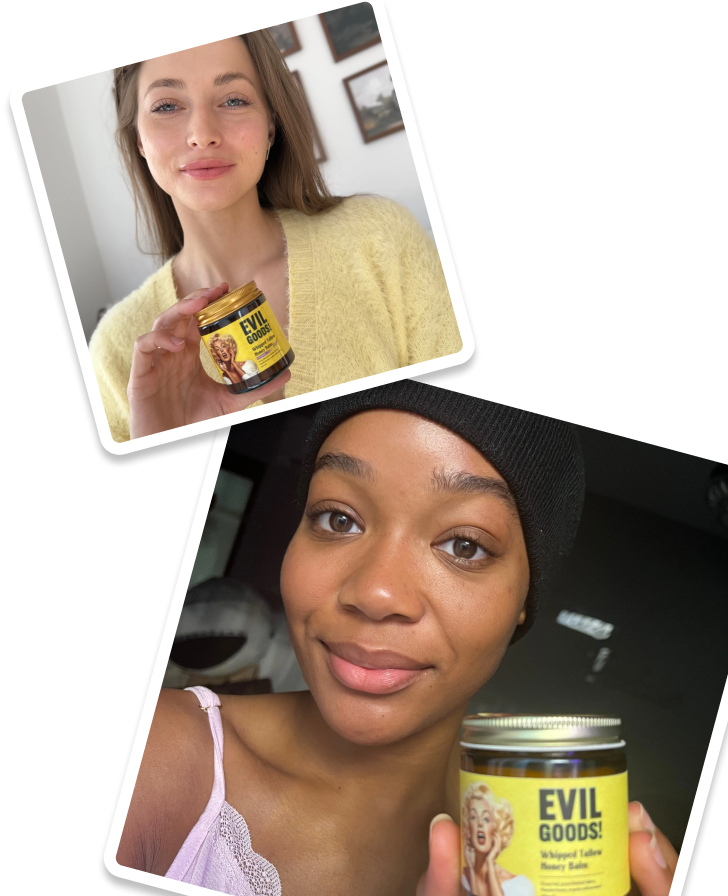
We're not going to overclaim what they do. Those are the kinds of overreaches that give the industry its bad reputation. What we'll tell you is this: the research is real, the ingredients are legitimate, and the customer results speak for themselves — 4.9★ across 23,000+ reviews doesn't happen by accident.
How Are Copper Peptides Different from Other Peptides?
Good question. Not all peptides are the same — and this is where Big Skincare loves to muddy the water.
Signal Peptides vs. Carrier Peptides
Most peptides marketed in skincare are signal peptides — they're designed to send messages. Copper peptides are carrier peptides — they bind to copper and help deliver it in a bioavailable form. Different mechanism. Different feel. Different results on the skin surface.
The Copper Difference
The copper component isn't decorative. Copper is an essential trace mineral — one your skin's surface environment uses. Pairing it with the right peptide structure helps make it recognizable and effective. Compare that to synthetic peptide chains designed in a lab to mimic biological behavior — and you start to see why source and structure matter.
For a deeper look at how copper peptides compare to retinol and other popular actives, check out our copper peptides vs. retinol breakdown. And if you're wondering how to layer copper peptides in a full routine, our how to use copper peptides guide has you covered.
Who Should Consider Copper Peptides?
Copper peptides are well tolerated and show up across a wide range of skin types in customer feedback. That said — here's the honest picture:
Good fit if: Your skin feels dry, dull, or looks like it's lost some of its surface smoothness over time. If you're looking for a well-studied cosmetic active with real research behind it and want to move away from synthetic-heavy formulations.
Worth knowing: Copper peptides and certain forms of Vitamin C don't always pair well together — they can oxidize and reduce effectiveness. Layer thoughtfully. AM or PM, not both at once with high-dose ascorbic acid.
Sensitive-feeling skin: Customer feedback is largely positive. Many people with skin that feels easily irritated report copper peptides are one of the gentler actives they've tried. But everyone's skin is different — patch test first.
What to Look for in a Copper Peptide Product
The ingredient is only as good as what surrounds it. Here's what actually matters:
-
Copper peptides listed clearly — not buried in a "peptide complex" with no transparency
-
A base that supports the skin — not one packed with synthetic fillers, parabens, or phthalates
-
A concentration that makes sense — you don't need the highest percentage; you need the right formulation
-
Made without synthetic fragrance — fragrance is one of the most common culprits for skin that feels irritated
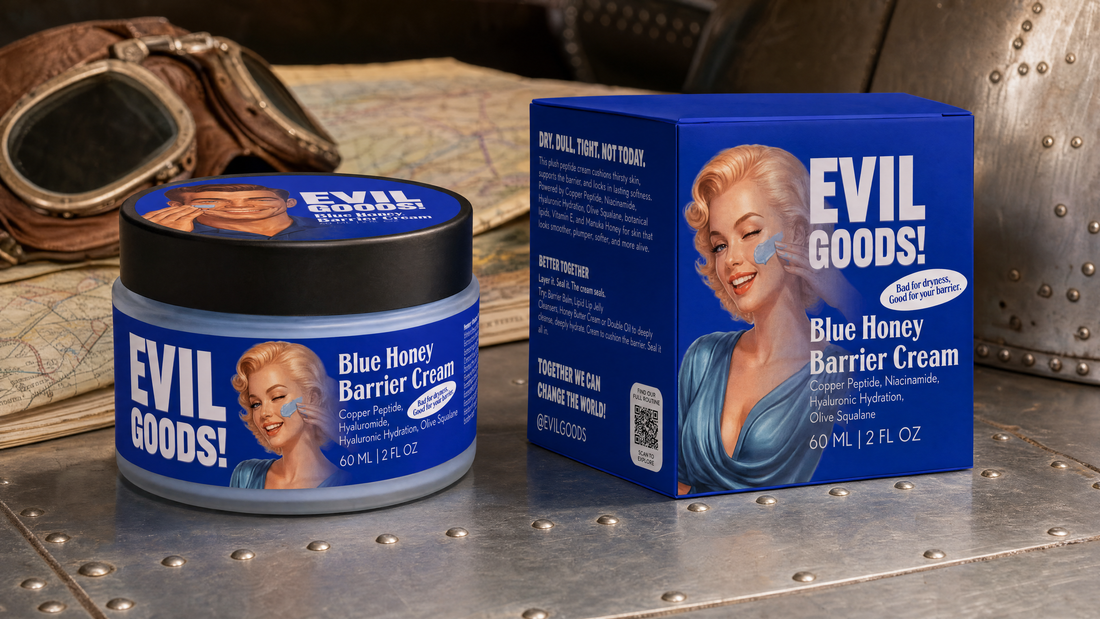
Our Copper Peptide Blue Honey Serum is built around copper peptides in a clean, skin-compatible base — made without parabens, phthalates, or synthetic fragrance. Made in the USA. Formulated to let the active do its job without interference.
The Bottom Line on Copper Peptides
What are copper peptides? They're among the most well-studied cosmetic actives available — naturally occurring compounds your skin already recognizes, with decades of research behind them and a growing community of natural rebels who've ditched synthetic-loaded alternatives.
They're not magic. They're not a drug. They're legitimate cosmetic actives that — in the right formulation — can help your skin look smoother, feel more nourished, and appear more even over time. That's it. No overclaiming. No drama.
THE NATURAL SKINCARE REBELLION doesn't need to exaggerate. The ingredients speak for themselves.
This is general information, not medical advice — talk to a healthcare professional about diagnosed skin conditions.
Ready to Try It?
If you want a copper peptide serum made without the synthetic junk — one that's formulated in a clean, honest way — try our Copper Peptide Blue Honey Serum.
No fluff — just results. And if your skin doesn't love it? 30-day money-back guarantee. No drama, no hoops.

Dr. Elena Dinkollari
MD, Dermatologist & Endocrinology Assistant

Doctor Approved