Dale la vuelta a la crema hidratante en el estante de tu baño y lee la etiqueta en voz alta. Alrededor del decimocuarto ingrediente que no puedes pronunciar, una pregunta empieza a formarse: ¿cuándo se complicó tanto ponerse algo en la piel?
Antes no era así. Durante la mayor parte de la historia humana, la gente se hidrataba con grasa animal derretida (sebo), porque funcionaba y era lo que tenían. Luego, la industria vendió a todo el mundo un armario lleno de productos sintéticos y lo llamó progreso. El sebo de res para la piel está resurgiendo por una razón sencilla: muchas personas probaron la rutina de 12 pasos, se resecaron y se irritaron más, y buscaron algo honesto. Esta es la guía completa sobre qué es el sebo, qué hace y para quién es.
Qué es realmente el sebo de res
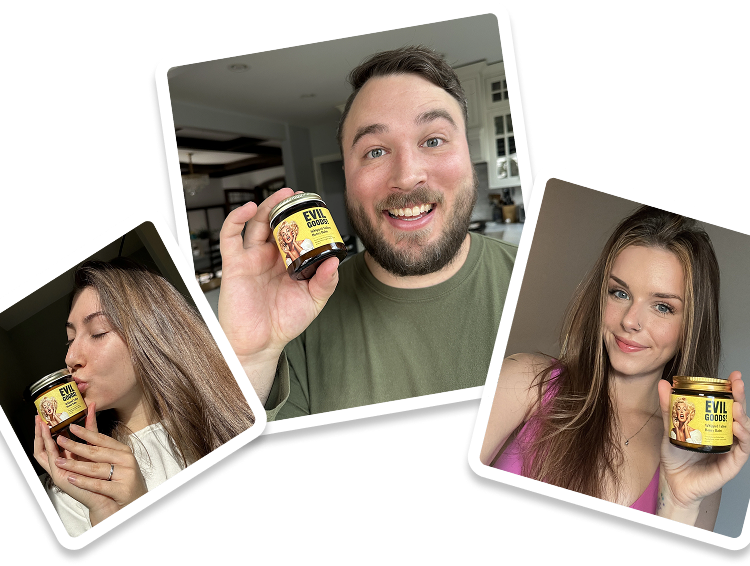
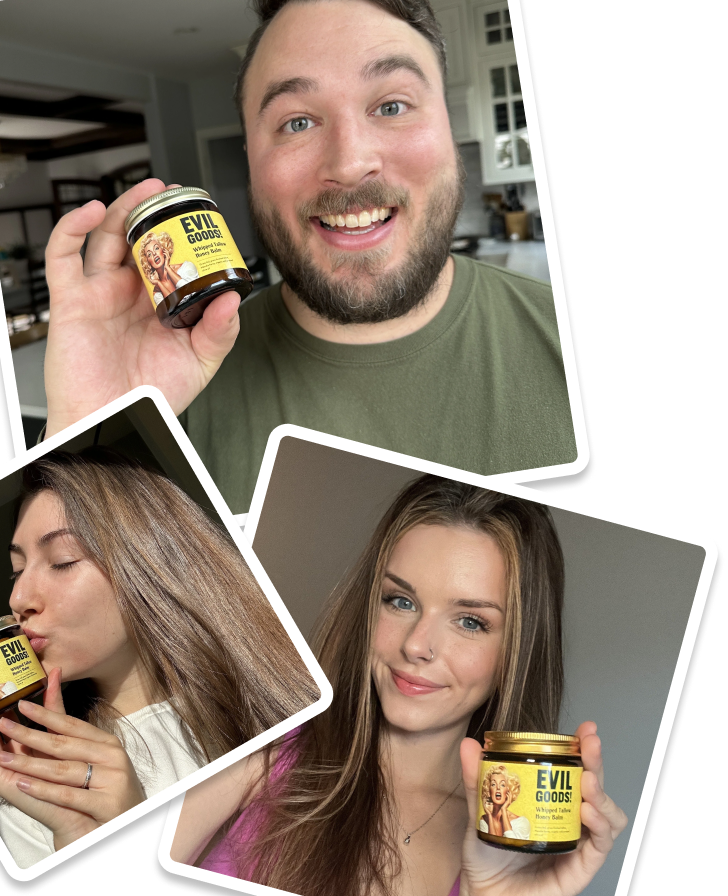
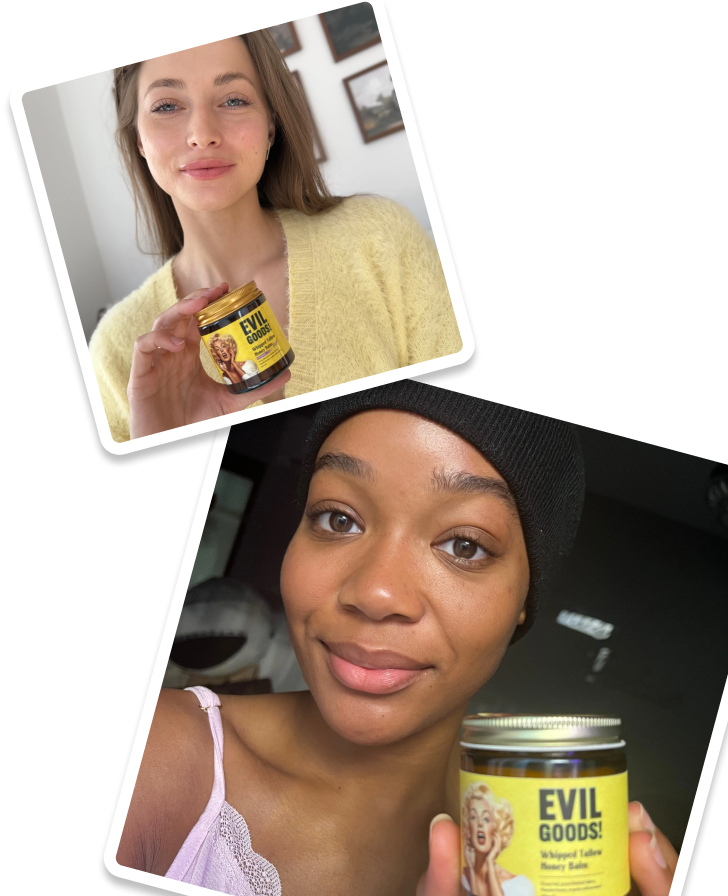
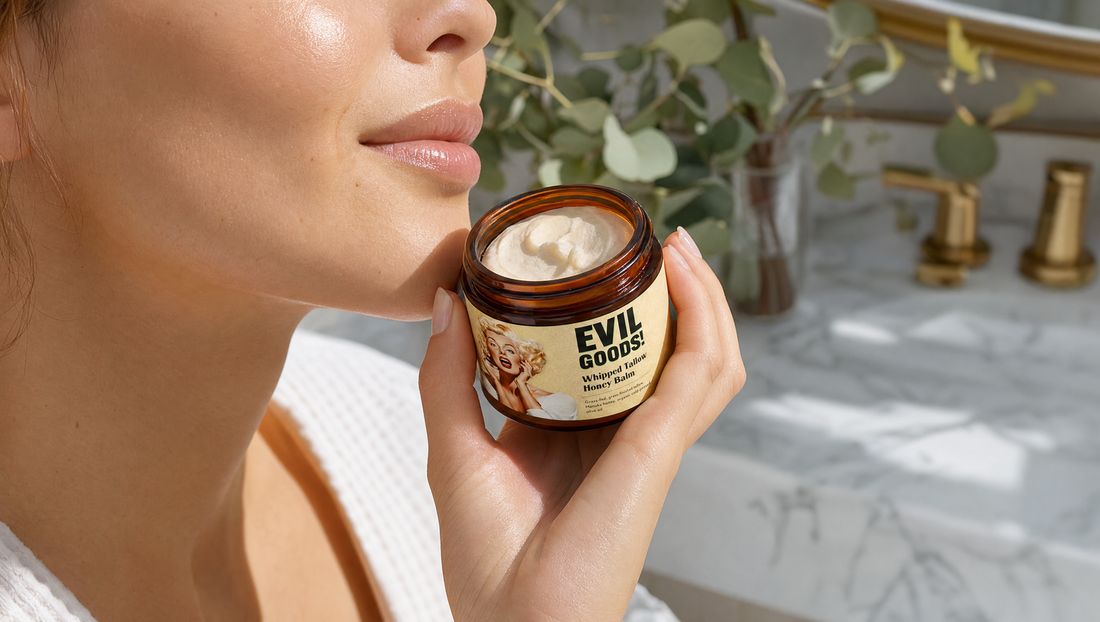
El sebo es grasa de res derretida, calentada suavemente hasta que la grasa pura se separa, luego se cuela y se bate hasta obtener una consistencia suave. Eso es todo. La calidad reside enteramente en el origen: el sebo de vacas alimentadas y terminadas con pasto tiene un perfil de nutrientes más rico que el sebo de animales alimentados con grano en un corral de engorde. Nuestra Crema Hidratante Batida de Sebo y Miel de Manuka utiliza sebo de res alimentado y terminado con pasto, batido con aceite de oliva orgánico prensado en frío, caléndula y vitamina E, cuatro ingredientes que realmente puedes pronunciar.
Las vitaminas que contiene (y por qué "liposoluble" importa)
El sebo es naturalmente rico en vitaminas liposolubles A, D, E y K. "Liposoluble" no es una frase sin importancia: tu piel está compuesta en gran parte por grasas, por lo que absorbe fácilmente los nutrientes liposolubles en lugar de dejarlos en la superficie. La vitamina A es la principal: es la misma vitamina que el laboratorio sintetiza en retinol para las cremas antienvejecimiento, excepto que el sebo la contiene de forma natural, sin necesidad de patente.
Por qué las grasas del sebo son tan similares a las de tu piel
La razón por la que el sebo se absorbe como lo hace se reduce a la química: su perfil de ácidos grasos es notablemente similar al sebo que produce tu propia piel. Tu piel lo reconoce. Es por eso que un buen bálsamo de sebo tiende a absorberse y suavizar la piel en lugar de quedarse en la superficie como una capa oclusiva, y por qué las personas con piel que reacciona a todo a menudo encuentran que es una de las pocas cosas que tolera.
"¿La grasa de res no me obstruirá los poros?"
Es la primera pregunta que casi todo el mundo hace, y es justa. Debido a que la composición del sebo es similar a los propios aceites de tu piel, la mayoría de las personas encuentran que se absorbe bien en lugar de congestionar, un poco rinde mucho, y "un poco" es la frase clave. La técnica importa aquí, que es exactamente la razón por la que escribimos un desglose completo sobre cómo usar el bálsamo de sebo sin el aspecto grasoso.
Alimentación con pasto vs. con grano: por qué el origen cambia el producto
Dos frascos ambos etiquetados como "sebo de res" pueden ser productos muy diferentes. Las vacas criadas en pastizales durante toda su vida producen grasa con una composición de nutrientes y ácidos grasos diferente y más rica que los animales terminados con grano en un corral de engorde. Este es el factor de calidad más importante en la categoría, y es lo que los imitadores baratos recortan. Si te llevas algo de esta guía: lee más allá de la palabra "sebo" hasta la palabra "terminado con pasto".
Cómo el sebo se compara con lo que hay en el pasillo
Ceramidas, karité, vaselina, retinol: cada uno de ellos es el intento de la industria de replicar una parte de lo que el sebo entero ya ofrece. Los comparamos directamente en nuestra guía de comparación honesta, incluyendo la pregunta que todo el mundo realmente quiere que se responda: ¿realmente vale la pena?
El mito que vale la pena desmentir
La objeción al sebo nunca se trató realmente de tu piel, sino de marketing. Los productos a base de petróleo eran más baratos de producir en masa y más fáciles de vender como "modernos" y "limpios", por lo que a toda una generación se le enseñó que un frasco de grasa de res era primitivo. La etiqueta "limpio", resulta que merece una lectura más atenta, que es el objetivo principal de nuestra guía de cuidado de la piel no tóxico.
Preguntas frecuentes
¿El sebo de res es bueno para la cara?
Para muchas personas, sí; su perfil de grasas es similar al de tu propia piel, por lo que tiende a absorberse y suavizar en lugar de quedar grasoso. Empieza con una pequeña cantidad.
¿El sebo en el cuidado de la piel huele a carne de res?
El sebo de calidad, bien renderizado, tiene solo un ligero olor natural, y las fórmulas con miel o una nota cítrica huelen aún más suave. No hay fragancias sintéticas que realicen el trabajo de encubrimiento.
¿Quién debería evitarlo?
Cualquier persona con alergia a la carne de res o al sebo. Como con cualquier producto nuevo, realiza una prueba de parche primero si tu piel es reactiva.
Lectura relacionada
- Qué hace realmente el sebo de res por tu piel
- ¿El sebo obstruirá tus poros? La respuesta honesta
- Qué es exactamente el sebo batido
- La historia perdida del cuidado de la piel con sebo
- Los beneficios del sebo que vale la pena conocer
Deja de descifrar etiquetas para las que necesitas un título de química. Cuatro ingredientes, alimentado con pasto y terminado con pasto, hecho en EE. UU. Toma un frasco y ve lo que tu piel hace con lo auténtico: suscríbete y ahorra un 30 % en tu primer pedido, garantía de devolución de dinero de 30 días, sin dramas, sin complicaciones.

Dra. Elena Dinkollari
MD, Dermatólogo y Asistente de Endocrinología

Aprobado por el médico