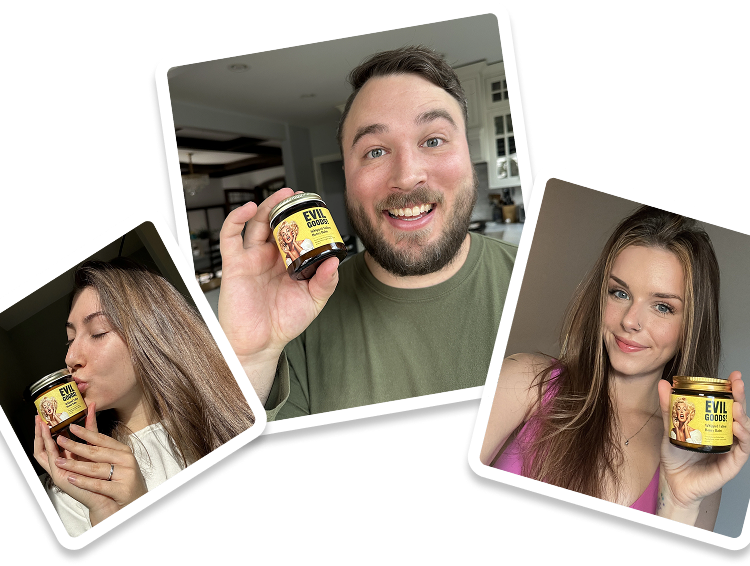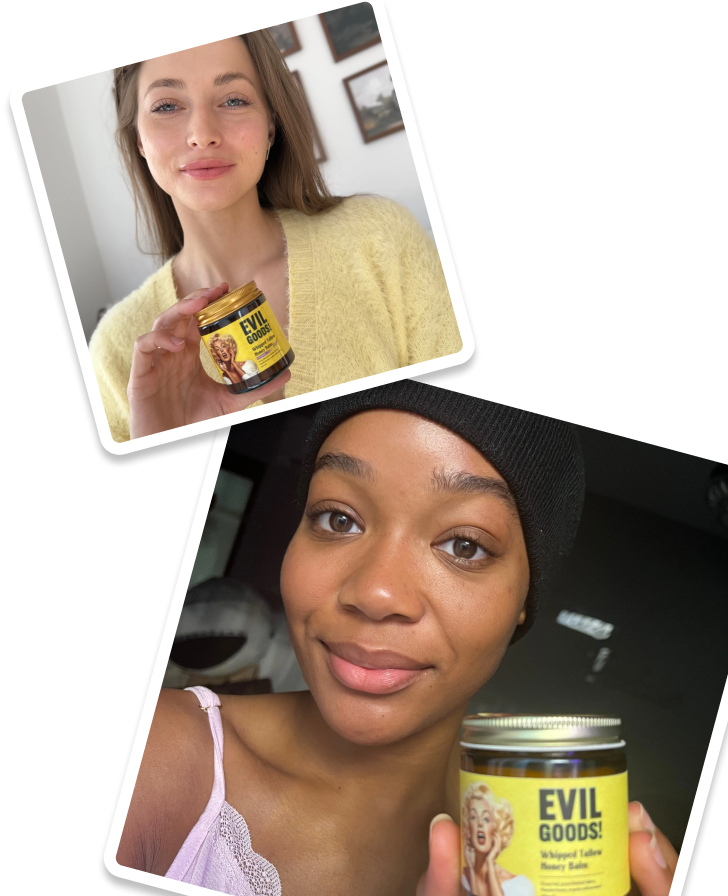
"Limpio". "Natural". "No tóxico". "Aprobado por dermatólogos". Estas palabras están en la mitad de los productos de la tienda y no significan casi nada; no hay ninguna agencia que las respalde. Son marketing, no mediciones. Así que, si no puedes confiar en la parte delantera de la botella, lee la parte de atrás. Aquí te explicamos cómo hacerlo sin necesidad de tener un título en química.
Lo que "limpio" y "natural" (no) significan realmente
No existe una definición legal vinculante de "belleza limpia" o "cuidado de la piel natural". Una marca puede imprimir cualquiera de estas palabras en un frasco de relleno mayoritariamente sintético y no incumplir ninguna norma. Esto no es una conspiración, es simplemente una laguna, y los especialistas en marketing la han aprovechado al máximo. La única señal honesta es la propia lista de ingredientes, así que ahí es donde nos centraremos.
El problema de la cantidad de ingredientes
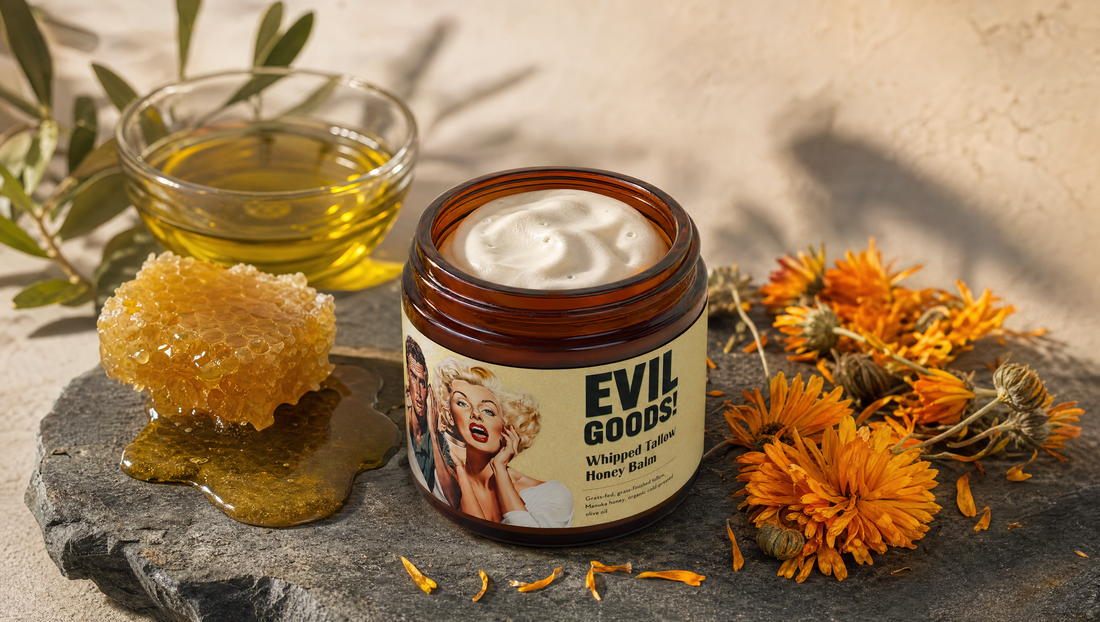
Dale la vuelta a una crema hidratante "limpia" típica y cuenta. La mayoría de la gente se rinde al llegar a los veinte. Una lista larga no está ahí porque tu piel necesite treinta cosas, está ahí porque cada ingrediente cumple una función para el producto: emulsionantes para unir el aceite y el agua, conservantes para una vida útil de dos años, fragancia para enmascarar la química, rellenos para extender unos centavos de activo en un frasco caro. Nuestra Crema Hidratante de Sebo Batido y Miel de Manuka tiene cuatro ingredientes. Eso no es un atajo. Es la clave.
Los aditivos que mucha gente preferiría evitar
Esto es una opinión, y lo diremos claramente: mucha gente simplemente no quiere una larga lista de aditivos sintéticos, mezclas de "fragancia" no declaradas y conservantes en su piel todas las mañanas, incluso donde cada uno está permitido para su uso. No necesitas un debate toxicológico para decidir que prefieres mantenerlo simple. Querer menos ingredientes reconocibles es una preferencia razonable, y punto.
Por qué "fragancia" es la palabra a observar
La palabra "fragancia" o "parfum" en una etiqueta puede representar una mezcla completa no declarada, y la fragancia sintética es uno de los desencadenantes más comunes para personas con piel sensible o reactiva. Sin fragancia no significa ser aburrido, sino eliminar lo más probable que irrite tu piel. Cualquier aroma que huelas en un bálsamo de sebo bien elaborado proviene de los propios ingredientes, no de una mezcla de laboratorio.
Cómo auditar realmente tu estante
- Lee los primeros cinco ingredientes. Constituyen la mayor parte de la fórmula. Si no los reconoces, eso ya te dice algo.
- Busca "fragancia/parfum". Decide si quieres una mezcla no declarada en tu rostro diariamente.
- Cuenta. Pregunta qué hace cada ingrediente por ti frente a la vida útil del producto.
- Prefiere listas cortas y legibles. Menos ingredientes significa menos incógnitas y menos cosas a las que reaccionar.
Por qué menos ingredientes pueden hacer más
La simplicidad no es un compromiso aquí. Debido a que las grasas del sebo son similares a las de tu piel, un bálsamo de cuatro ingredientes puede hidratar y suavizar sin un elenco de apoyo de estabilizadores y activos. Exponemos el caso completo en nuestra guía completa sobre el sebo de res para la piel, y comparamos el enfoque simple con los ingredientes habituales en nuestra guía comparativa.
Preguntas frecuentes
¿Es "cuidado de la piel no tóxico" un término regulado?
No. Términos como no tóxico, limpio y natural no están definidos legalmente para cosméticos, por lo que solo son tan significativos como la lista de ingredientes que los respalda.
¿Siempre es mejor menos ingredientes?
No automáticamente, pero una lista corta de ingredientes reconocibles es más fácil de evaluar y ofrece menos cosas a las que la piel reactiva pueda responder.
¿Qué debo buscar en lugar de las palabras de moda?
Lee los primeros cinco ingredientes, busca "fragancia" no declarada y pregunta qué hace cada uno por ti en lugar de por el producto.
Lectura relacionada
- Productos no tóxicos vs tóxicos: una guía más clara
- Los ingredientes naturales que vale la pena buscar
- Cómo conseguir tu mejor piel, de forma natural
Deja de confiar en la parte delantera de la botella. Lee la parte de atrás. Cuando lo hagas, cuatro ingredientes empezarán a parecer menos un truco y más la opción obvia. Ve la etiqueta por ti mismo — Suscríbete y ahorra un 30%, garantía de devolución de dinero de 30 días.

Dra. Elena Dinkollari
MD, Dermatólogo y Asistente de Endocrinología

Aprobado por el médico