Petroleum jelly is a byproduct of oil refining. Let that sit for a second. The stuff sitting in that iconic blue tub started its life in the same barrel as gasoline. That's the enemy we're here to talk about today.
Tallow vs petroleum jelly, the direct answer: petroleum jelly is a petroleum-derived occlusive that sits on top of skin and blocks moisture from escaping. Beef tallow is a bioidentical fat, similar in structure to the lipids already in human skin, that's been used as a skin balm for centuries. Petroleum jelly seals. Tallow's fatty acid profile is similar to the lipids naturally found on skin's surface, helping it feel smooth and moisturized. Neither is "medicine." One is a fossil fuel derivative. The other is Nature's Wisdom First.
Before we go further: check out the full tallow comparisons buying guide if you're stacking tallow up against more than one product today. We're covering every matchup, not just this one.
Tallow vs petroleum jelly: what's actually in the jar
Here's the part the skincare industry doesn't love talking about.
Petroleum jelly (also sold as "petrolatum") is a semi-solid mixture of mineral oils and waxes, a byproduct of crude oil refining. It was first marketed in the 1870s by Robert Chesebrough, who noticed oil rig workers using leftover residue on cuts and burns. It works purely by occlusion, meaning it sits on the surface of your skin like plastic wrap and traps whatever moisture is already there. It doesn't feed your skin anything. It doesn't absorb. It just blocks.
Beef tallow is rendered fat from grass-fed cattle. Traditional cultures have used it on skin for centuries, long before "moisturizer" was a marketing word. It's naturally rich in vitamins A, D, E, and K, plus fatty acids like oleic, palmitic, and stearic acid, the same fatty acid profile found in human sebum. That's the bioidentical part: your skin doesn't have to guess what to do with it, because it recognizes it.
Two very different starting points. One from a barrel, one from a pasture.
The honest part: where the science is actually mixed
We're not going to stand here and tell you petroleum jelly is dangerous or that tallow is a miracle drug, because neither is true and both claims are the kind of thing that gets brands (rightfully) called out.
Petroleum jelly is considered non-comedogenic by dermatology standards and is genuinely effective at helping skin hold moisture, which is why it's commonly used on chapped lips or fresh tattoos. It works. It's just doing one job (sealing) instead of nourishing.
Tallow's fatty acid profile is a genuine match for skin lipids, and many customers report their skin feels softer and more hydrated with regular use. But tallow is also higher in saturated fat than lighter plant oils, and for some breakout-prone skin types, heavier balms (tallow included) aren't the right fit. If you have very oily or acne-prone skin, that's worth knowing upfront. This isn't a "tallow does it all" pitch. It's a "know your own skin" pitch.
If you're also weighing tallow against something lighter, we broke that down separately in tallow vs lotion.
Why "whipped" changes the comparison entirely
Here's where it gets interesting, because "tallow vs petroleum jelly" as a category comparison misses the real story: texture and format.
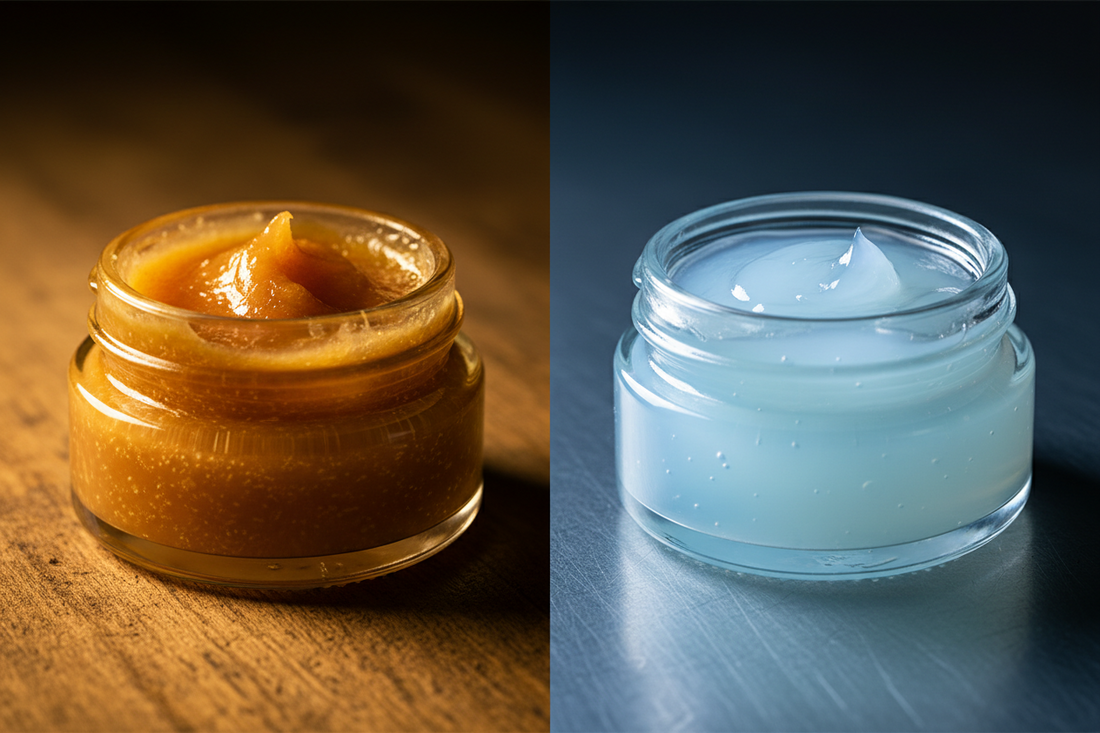
Straight petroleum jelly is greasy, tacky, and sits heavy. Straight rendered tallow, on its own, can feel dense and take a minute to work in. Neither wins a "how does this feel on my face right now" contest.
Whipped tallow is a different animal entirely. When tallow is whipped (think whipped butter, not lotion), air gets incorporated into the fat, and the texture transforms into something light, fluffy, and fast-absorbing. You get the bioidentical fatty acid match of tallow, without the heavy, occlusive plastic-wrap feeling of petroleum jelly and without the dense, slow-melt feeling of unwhipped tallow.
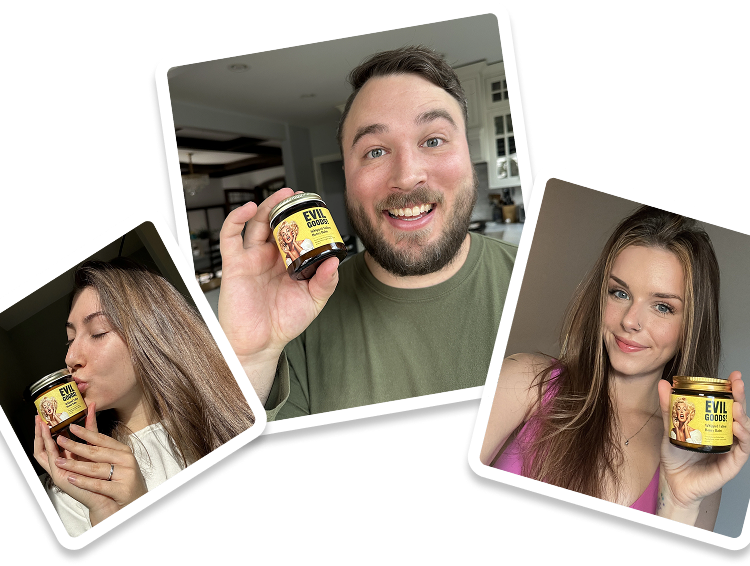
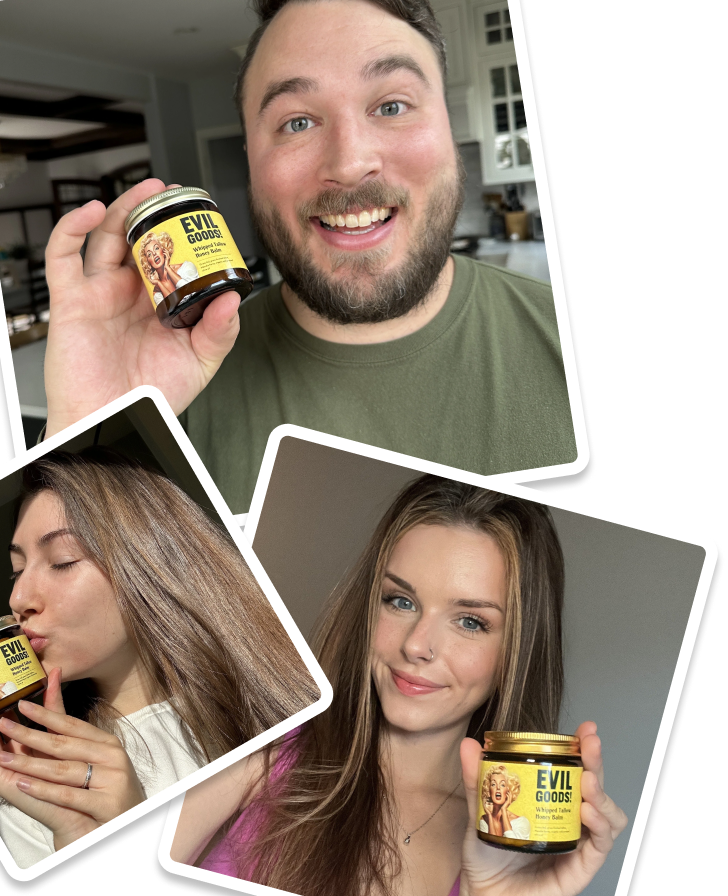
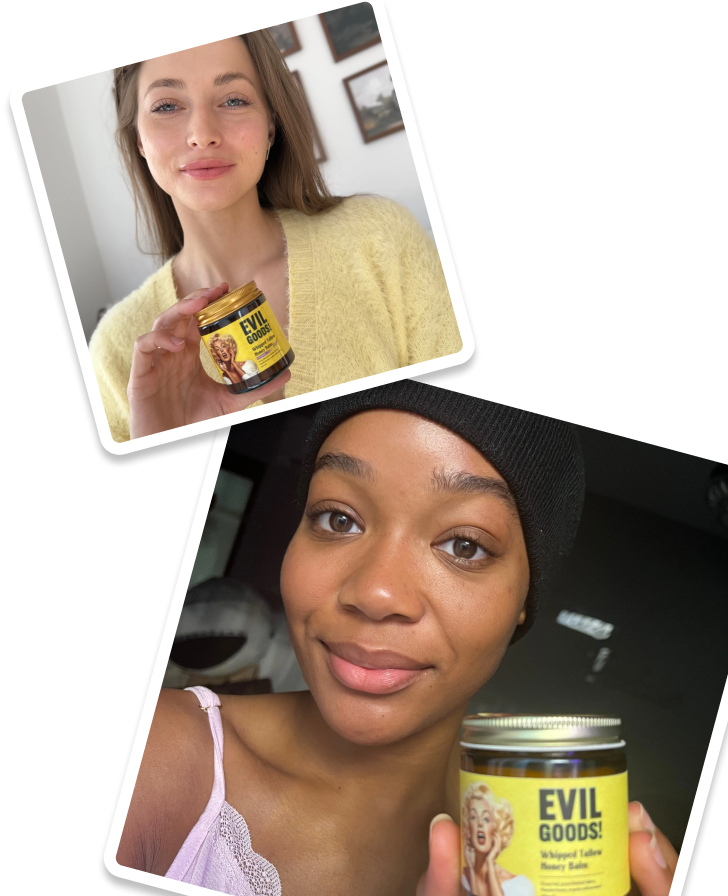
That's the whole idea behind Whipped Beef Tallow + Honey Skin Cream. We add raw honey (a natural humectant that pulls in moisture) to grass-fed, whipped tallow, so your skin gets conditioned, soothed, and nourished in one scoop, without the greasy film petroleum jelly leaves behind.
Scoop it, spread it, or use it as your everyday face and body cream. No fluff, just results.
The bottom line
Petroleum jelly blocks. Tallow, in its whipped form, works with your skin, not against it. If your only goal is "trap moisture on a cut," petroleum jelly does that job fine. If your goal is a daily moisturizer that feels like it belongs on human skin because it's built like human skin, whipped tallow is the more natural fit.
THE SKINCARE INDUSTRY IS LYING TO YOU when it tells you a fossil fuel byproduct and a bioidentical animal fat are interchangeable. They're not. Choose the one nature already gave you the blueprint for.
Ready to make the switch?
Join 350k+ customers who've already made the swap away from petroleum-based products. Whipped Beef Tallow + Honey Skin Cream is rated 4.9★ across 23k+ reviews, Made in USA, and available as a one-time purchase or through subscribe-and-save if you want it showing up automatically.
Try it. If your skin doesn't love it, you've got our 30-day money-back guarantee. No drama, no hoops. Just send it back.
Shop Whipped Beef Tallow + Honey Skin Cream →

Dr. Elena Dinkollari
MD, Dermatologist & Endocrinology Assistant

Doctor Approved